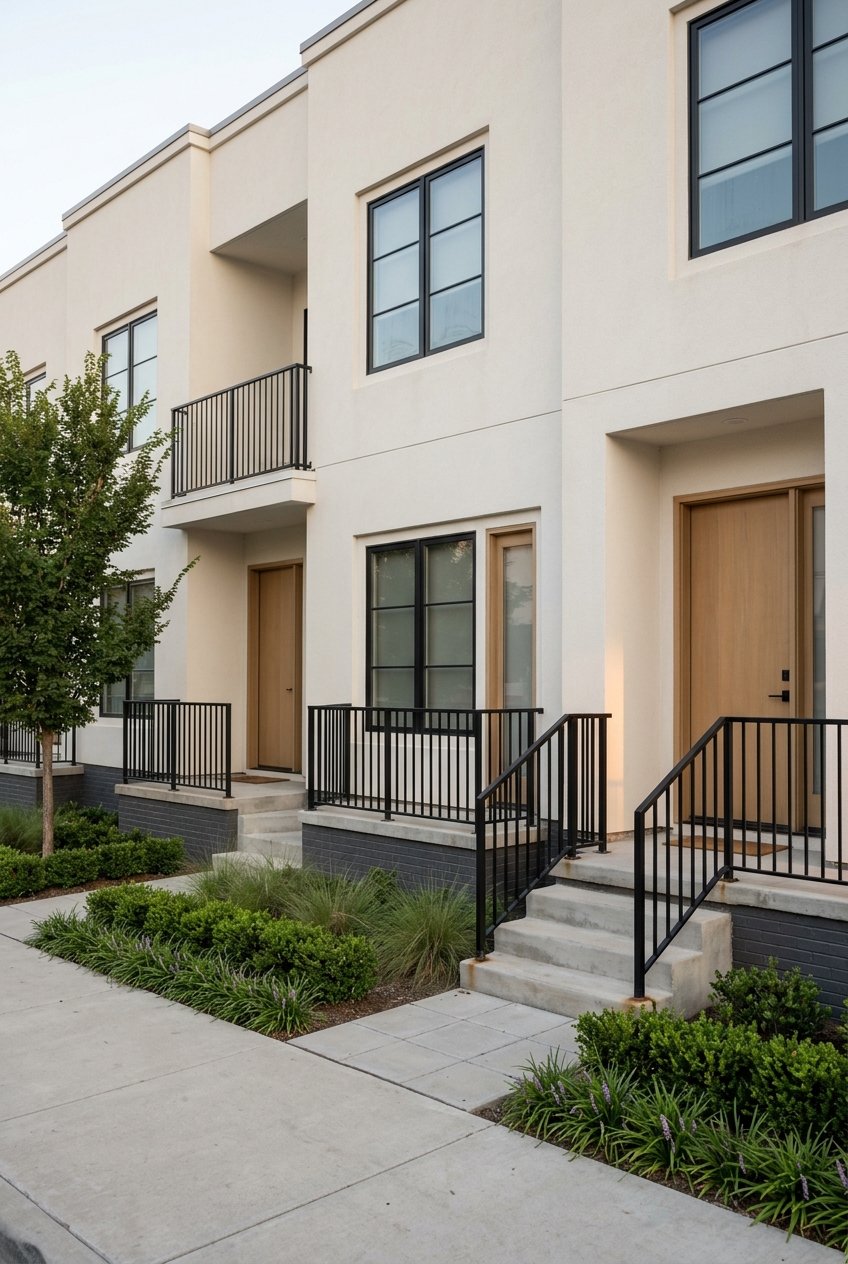
Condos Vs Townhomes In Uptown Dallas
July 23, 2026
July 23, 2026
Trying to choose between a condo and a townhome in Uptown Dallas? It sounds simple until you start touring properties and realize the labels do not always tell you what you actually own, what you maintain, or what your monthly costs really cover. If you want walkability, convenience, and a home that fits your lifestyle in Uptown, this guide will help you compare the tradeoffs that matter most. Let’s dive in.
In Texas, a condo is a defined legal form of ownership under the Texas Property Code. A townhome, on the other hand, is not a separate legal ownership category under state law. That means a property that looks like a townhome may legally be a condo, and two very similar homes can come with very different ownership rights and maintenance rules.
For you as a buyer, that is the key point. The recorded declaration, plat, title commitment, and HOA documents determine what you own, what is considered common area, and who is responsible for repairs and maintenance.
Uptown is one of Dallas’ most walkable, transit-oriented districts, with wide sidewalks, green space, and easy connections through the McKinney Avenue Trolley and DART’s Cityplace/Uptown Station. It is a neighborhood where many buyers are choosing between a high-service condo building and a more private townhome-style property.
The current public listing snapshot also shows a difference in inventory. In the sample reviewed, Uptown had 51 condo listings and 11 townhome listings, which suggests condos make up the deeper inventory pool while townhomes are more limited and often more distinct in layout, garage setup, and outdoor space.
In Uptown, condos often lean into convenience and building amenities. Depending on the project, you may find features like concierge service, security, valet, on-site management, fitness centers, pools, clubrooms, and shared outdoor spaces.
That setup can be especially appealing if you want a lock-and-leave lifestyle. It may also fit you well if you prefer fewer day-to-day exterior responsibilities and like having services bundled through the association.
Based on current Uptown examples, condos can range from loft-style units to full-service high-rise residences. One example in a full-service building at 3030 McKinney Avenue includes 24-hour concierge and security, valet, on-site management, a pool, fitness center, tennis and pickleball courts, a clubroom, outdoor grills, a dog park, and deeded parking.
Other condo options may feel more like a hybrid. For example, one current listing on Cole Avenue is described as a two-level townhome-style condo with an attached two-car garage and private patio. That is a good reminder that the look and layout do not always match the legal structure.
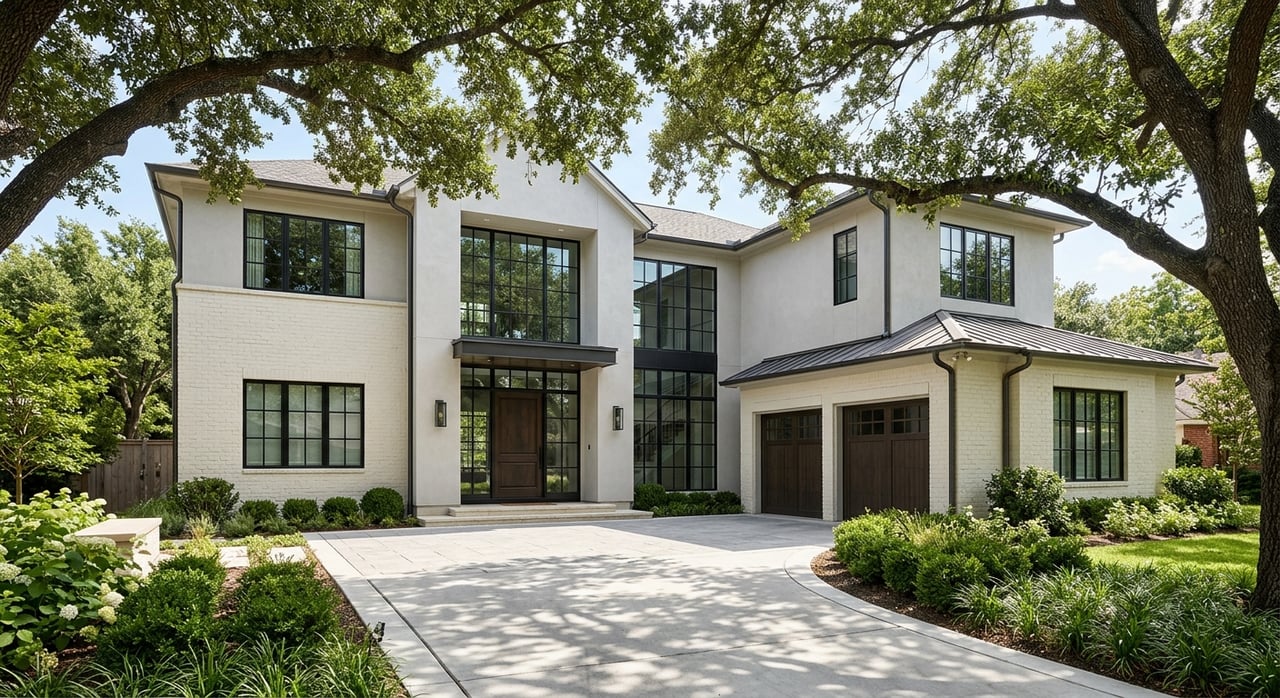
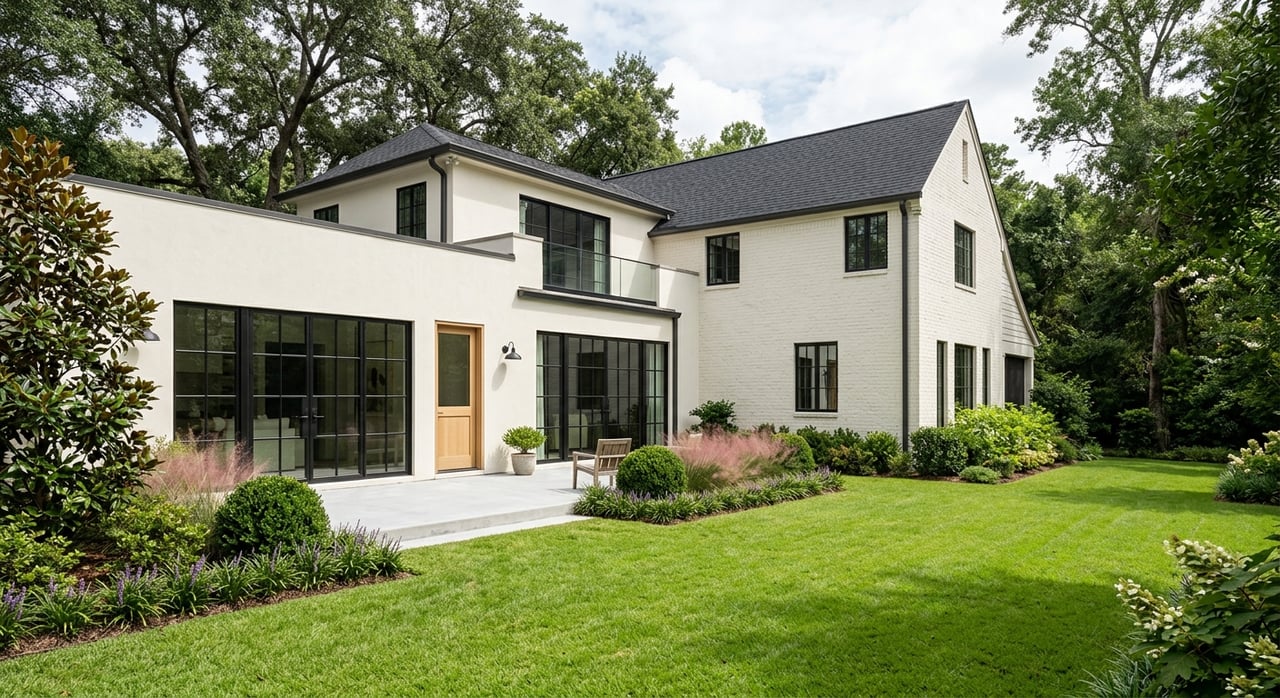
Townhomes in Uptown often appeal to buyers who want a more house-like feel while staying close to the neighborhood’s restaurants, trails, and transit. In the current listing examples, townhomes more often feature attached two-car garages, rooftop terraces, private studies, and fenced yards or patio space.
That can give you more separation from neighbors and more direct front-door living. If privacy, private outdoor space, or a more traditional multilevel layout matters to you, a townhome may stand out.
Current Uptown-area examples include townhomes with fenced front yards, rooftop terraces, private backyards, and attached garages. One listing on Howell Street highlights HOA-covered front and back yard maintenance, while another on Miro Place shows that some townhome properties may have no HOA dues at all.
That range matters. Some townhomes come with modest dues and limited shared obligations, while others may still have associations that cover certain maintenance or common elements.
One of the biggest differences buyers notice is HOA cost. In the public listing sample reviewed, condo dues ranged from $379 per month to $1,763 per month, while townhome examples ranged from $0 to about $233 per month, with another premium example at $200 per month.
At first glance, that may make townhomes look like the obvious value. But the smarter comparison is not just the dollar amount. It is what those dues actually include.
In a condo building, dues may support:
In a townhome-style property, lower dues may mean:
That is why two homes with very different monthly dues are not always directly comparable. One may include a broader service package, while the other may leave more costs and responsibilities with you.
Insurance is one of the most overlooked parts of the condo versus townhome comparison. According to the Texas Department of Insurance, condo insurance generally covers your personal property and the interior of your unit. Townhouse insurance can vary more, depending on whether the HOA master policy covers the exterior.
For you, the takeaway is simple: ask exactly what the master policy covers before you assume anything based on the property type. A lower monthly HOA payment does not always mean lower total ownership cost if your personal insurance needs are higher.
Financing is another area where the legal structure matters more than the marketing description. Fannie Mae requires lenders to review condo project eligibility, and project-level issues like inadequate insurance, pending litigation, critical repairs, or certain operational setups can affect whether a condo loan is eligible.
This does not mean condo financing is automatically harder. It means you want to know early in the process whether the project meets lender standards, especially if the home is legally a condo even though it looks like a townhome.
When you buy in Uptown, you are not just choosing a home for today. You are also choosing the buyer pool you may want to attract when it is time to sell.
Condos may appeal strongly to buyers who prioritize convenience, amenities, and a lock-and-leave setup. Townhomes may attract buyers who want more privacy, garage space, or outdoor living without leaving the urban core. In either case, clear documents, manageable dues, and a well-understood insurance setup can help support smoother resale.
If you are comparing condos and townhomes in Uptown Dallas, start with your daily lifestyle rather than the label alone. Think about how you want to live, how much maintenance you want to handle, and whether you value service, privacy, amenities, or outdoor space most.
A condo may fit you better if you want:
A townhome may fit you better if you want:
Before you decide that a property is truly a condo or truly a townhome, verify the documents that control ownership and obligations. In Uptown, that step can protect you from surprises after closing.
Make sure you review:
That review helps you confirm what you own, what is shared, what the HOA maintains, and what responsibilities fall to you.
In Uptown Dallas, the condo versus townhome choice usually comes down to service level, privacy, maintenance responsibility, and financing or resale flexibility. Condos often bring more amenities and convenience, while townhomes often bring more private space and a more residential feel.
The most important thing to remember is that the marketing label is only a starting point. In Texas, the recorded documents and HOA structure tell the real story, and that is where smart buying decisions begin.
If you want help comparing Uptown condo and townhome options with a clear, data-driven approach, Jason Landry can help you evaluate the details behind the listing so you can buy with confidence.
Stay up to date on the latest real estate trends.



Get assistance in determining current property value, crafting a competitive offer, writing and negotiating a contract, and much more. Contact Jason today.