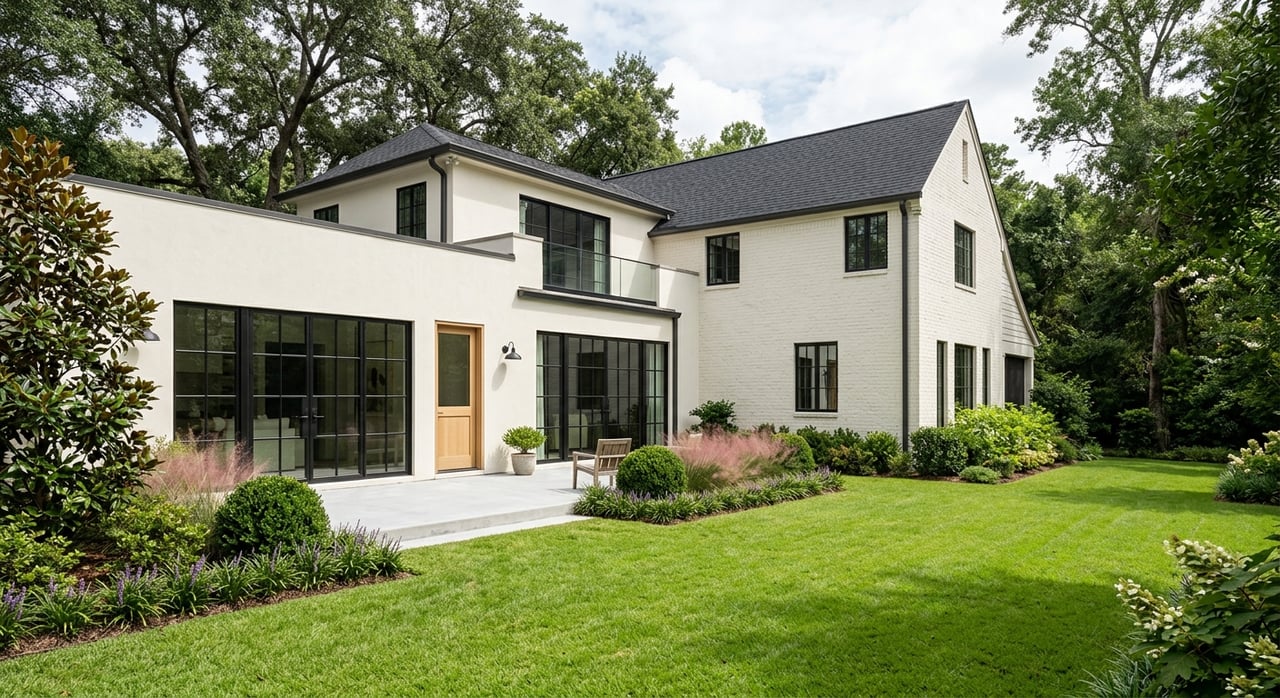
Pricing Strategy For Devonshire And Briarwood Homes
July 9, 2026
July 9, 2026
If you price a Devonshire or Briarwood home by neighborhood average alone, you can miss the mark by a wide margin. In these close-in Dallas neighborhoods, buyers are paying for very specific things, and they are quick to notice when a list price does not match the home’s condition, lot, or location within the area. If you are planning to buy or sell, this guide will help you understand what really drives value and how to think about pricing with more confidence. Let’s dive in.
Dallas was a somewhat competitive market in May 2026, with a median sale price of $498,702, about 40 days on market, and a 97.4% sale-to-list ratio. At the same time, 17.8% of sales went above list price while 36.9% had price drops. That mix tells you buyers are still active, but they are also price-sensitive.
Devonshire and Briarwood sit in a different pricing tier than the city as a whole. Devonshire posted a median sale price of $1.4 million and $299 per square foot over the three months ending May 2026, with homes averaging 46 days on market. For Briarwood, the best current proxy is 75209, where Redfin shows a $1.5 million median sale price, 39 days on market, and a 97.3% sale-to-list ratio.
That means your strategy should not start with Dallas averages. It should start with the micro-market around your home and the exact features buyers are comparing.
Devonshire trades above the broader Dallas market, but below some of the highest-priced nearby benchmarks. Nearby areas like Preston Hollow, Bluffview, and Park Cities show higher median prices and higher price per square foot, while North Dallas overall trends lower. That places Devonshire in a premium in-town position without being the top of the close-in pricing ladder.
For sellers, that matters because overpricing a Devonshire home as if it belongs in a higher comparison set can slow activity. For buyers, it helps explain why some homes feel expensive compared with Dallas overall, yet still align with local market patterns.
In Devonshire, condition is one of the clearest price drivers. Redfin examples include everything from a 585-square-foot condo at $199,500 to a 2,508-square-foot home at $1.8 million, plus renovated and remodeled properties that clearly sit in stronger pricing bands. That spread shows why one average price cannot tell the full story.
A fully updated kitchen, improved systems, thoughtful expansion, and polished presentation can support a very different number than an original-condition home. If a property needs work, buyers usually expect that to be reflected in the price unless the lot or location strongly offsets it.
Lot size and outdoor usability show up repeatedly in Devonshire pricing examples. Homes on lots around 7,492 square feet are specifically called out in listing examples, which signals that buyers are paying attention to usable outdoor space. In a neighborhood where many homes compete on both character and convenience, the lot can become a major value separator.
A larger or more usable lot can strengthen pricing, especially when it pairs well with the home’s layout and updates. A smaller lot or one with less functional outdoor space may still sell well, but the price needs to stay grounded in the right comp set.
Devonshire also benefits from strong neighborhood identity and nearby retail access. The Devonshire Neighborhood Association notes a focus on security and funds an expanded off-duty Dallas police patrol program, while Westminster Presbyterian Church serves as a community anchor with a dog park and garden created in partnership with the neighborhood. Those details help reinforce the area’s appeal.
Inwood Village also adds to the pricing conversation. Its directory includes Trader Joe’s, Mesero, Rise No. 1, Inwood Theatre, Van Leeuwen Ice Cream, Empire Baking Co., Flower Child, PopUp Bagels, Asian Mint, and Doughbird. Buyers often value easy access to these daily conveniences and neighborhood destinations, and that can support a premium when the home itself also shows well.
Briarwood does not always fit neatly into a single neighborhood average. Market data for the area is more limited, so 75209 is often the most useful pricing proxy, with nearby Bluffview also helping frame the upper end of the conversation. In practice, that means Briarwood often behaves more like a segmented micro-market than a uniform neighborhood.
For you, the takeaway is simple: two homes in Briarwood can justify very different prices. Age, updates, lot size, and even the exact pocket of the neighborhood can all shift buyer perception.
Recent Briarwood listing examples show how varied the housing stock can be. One Briarwood Place home at 4914 Briarwood Place was marketed as a 3-bedroom, 4.5-bath, 4,768-square-foot townhouse on a 6,839-square-foot lot. Other examples include renovated and expanded homes on lots around 7,492 square feet and homes remodeled in recent years.
That range matters because buyers are not comparing every Briarwood listing the same way. A large townhouse, an expanded traditional home, and an older smaller house may all sit in the same broader area, but they do not belong in the same pricing lane.
Briarwood buyers tend to respond strongly to renovation quality. Listing examples repeatedly highlight homes that were fully renovated, thoughtfully expanded, or remodeled in recent years. That tells you updated finishes and improved layouts are not minor details here. They are part of the value story.
If your home is turnkey, pricing can reflect that. If your home is dated, the strategy usually needs to leave room for the next owner’s improvements unless there is another standout feature that makes up for it.
Briarwood Crime Watch describes the neighborhood as a late-1930s community of more than 500 households, bordered by Lovers Lane, Inwood, Horseshoe Trail or Briarwood Place, and Elsby Avenue. The association also notes that restaurants and shops along Lovers Lane are within walking distance. That access helps support demand.
Some listings also emphasize proximity to Inwood Village and Preston Center. When buyers can easily connect a home to nearby shopping, dining, and everyday convenience, it can strengthen the home’s position against similar listings.
The safest pricing method in Devonshire and Briarwood is to use condition-adjusted and lot-adjusted comparable sales. A neighborhood average can be a useful starting point, but it should never be the final answer. In these neighborhoods, a renovated home and an original-condition home can live in very different value bands.
The right comp set usually includes homes with similar:
Nearby areas like Bluffview, Preston Hollow, Park Cities, and North Dallas can help frame value, but they should be used with care. Park Cities remains the highest-priced nearby comparison in this set, while Preston Hollow and Bluffview also trend above Devonshire on both price and price per square foot. North Dallas overall tends to be a lower benchmark.
That makes these areas useful as reference points, not shortcuts. A Devonshire or Briarwood home should be priced against the most relevant nearby sale, not simply against the most aspirational neighborhood in the conversation.
In a market where price drops are still common, buyers tend to notice when a listing starts too high. The broader Dallas data shows that more than a third of sales had price drops, even though some homes still sold above list. That usually means the homes that win are the ones that feel justified from day one.
A strong list price can do two things at once. It can protect value, and it can create enough urgency to attract better interest early in the listing period.
If you are buying in Devonshire or Briarwood, ask whether the asking price is supported by the home’s exact mix of condition, lot, and location. Price per square foot can be helpful, but it does not tell the whole story in neighborhoods with varied housing stock. The better question is whether the listing holds up against the nearest truly comparable sale.
You should also pay close attention to what is already done versus what still needs investment. A renovated home may cost more upfront, but it may also reduce near-term work and compete better with nearby alternatives. An older home may offer upside, but only if the price leaves enough room for future improvements.
If you are selling, the goal is not to chase the highest number you have heard in the neighborhood. The goal is to choose a number the market will defend. In Devonshire and Briarwood, buyers are often willing to pay for quality and convenience, but they still compare carefully.
A smart strategy usually starts with honest positioning. If your home has strong updates, a useful lot, and access to the right local amenities, those strengths should shape the pricing story. If the home needs work, pricing should account for that clearly rather than hoping buyers will ignore it.
For sellers who value a more tailored approach, this is also where boutique marketing and pricing discipline matter most. The right presentation can elevate a strong home, but the list price still needs to match what buyers see on the ground.
If you want a pricing strategy built around local comps, buyer behavior, and the specific strengths of your property, connect with Jason Landry for a tailored valuation and marketing plan.
Stay up to date on the latest real estate trends.
Get assistance in determining current property value, crafting a competitive offer, writing and negotiating a contract, and much more. Contact Jason today.