What Buyers Should Know Before Moving To Park Cities
June 4, 2026
June 4, 2026
Thinking about moving to the Park Cities? It is one of the most recognized areas in Dallas, but it is also a place where small details can make a big difference in your search. If you are comparing blocks, home styles, lot sizes, and long-term plans, you need more than a quick online overview. This guide will help you understand how Highland Park and University Park differ, what the housing stock looks like, and what to watch before you make an offer. Let’s dive in.
When people say “Park Cities,” they are usually talking about Highland Park and University Park, two neighboring municipalities just north of downtown Dallas. University Park describes itself as a predominantly residential community about five miles north of downtown, and it is home to Southern Methodist University and the George W. Bush Presidential Center.
The two cities are closely connected in daily life and civic identity. Highland Park ISD serves Highland Park, University Park, and a small part of North Dallas across 6.21 square miles and eight campuses. The area is also known for its long history, distinctive architecture, parks, and walkable streets.
If you are moving to the Park Cities, it helps to know that the two cities can feel different even though they sit side by side. Your day-to-day experience may depend on whether you prefer a more park-centered setting or a more neighborhood-and-campus rhythm.
Highland Park often reads as more formal and green-space focused. The town lists 22 park locations, 12 landscaped traffic islands, and about 59.3 acres of green space, with Lakeside Park serving as a signature destination.
Highland Park also operates a Department of Public Safety that combines police, fire, and EMS. For buyers, that speaks to a town structure with a strong civic identity and a carefully maintained public environment.
University Park highlights a slightly different pace. The city reports more than 25,000 residents and more than 7,000 homes, and it is anchored by SMU, Snider Plaza, eight major parks, the public library, and Holmes Aquatic Center.
Snider Plaza is described by the city as the heart of University Park and its original commercial center. That gives University Park a strong everyday convenience factor, with a blend of residential streets, campus energy, and neighborhood-serving destinations.
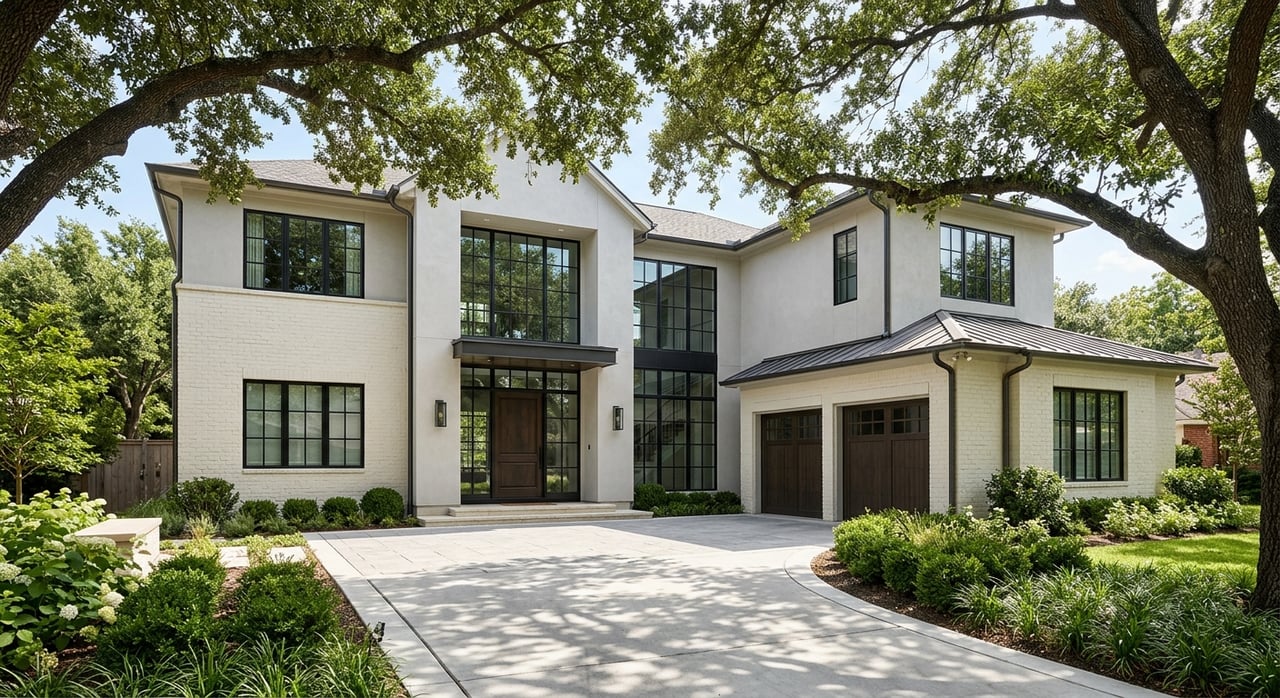
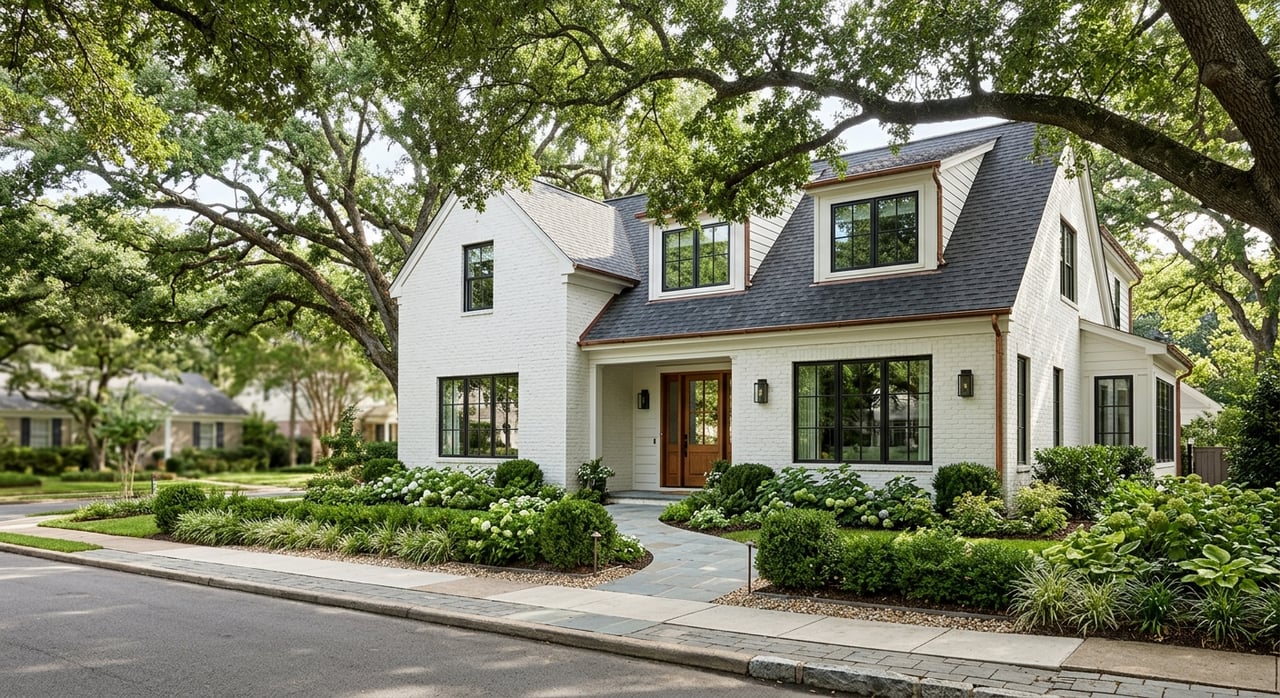
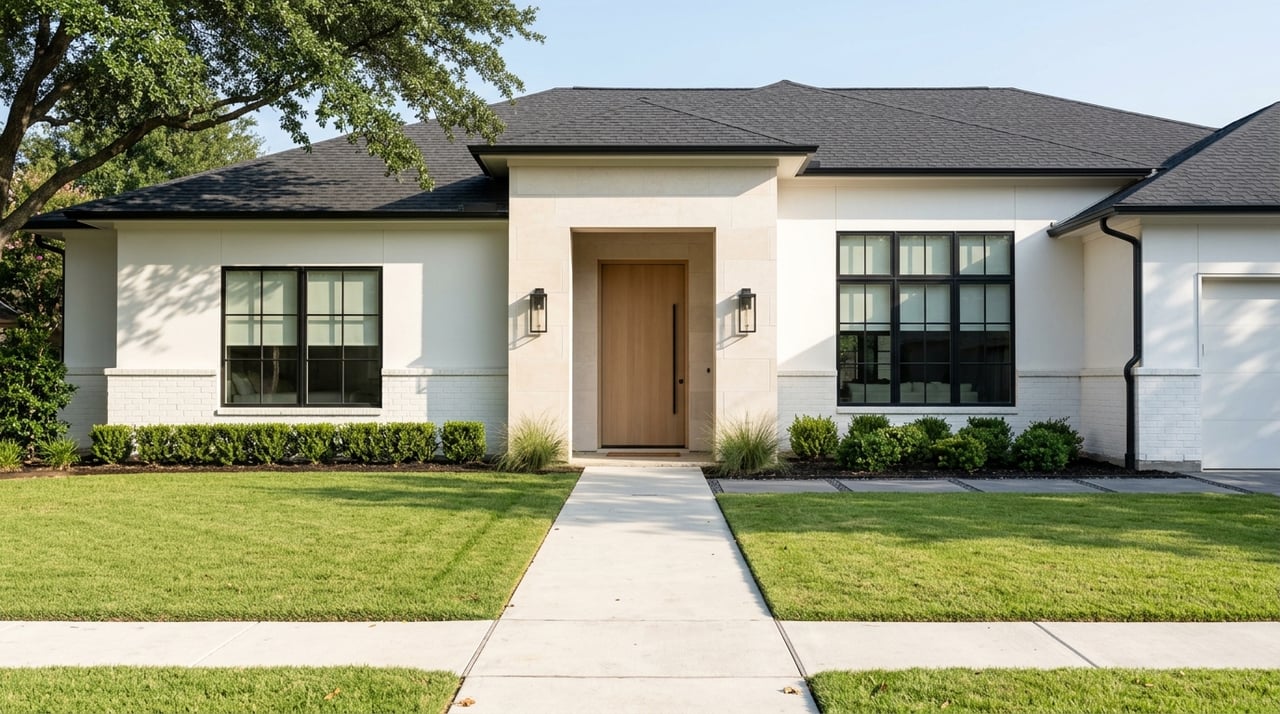
One of the biggest things buyers notice in the Park Cities is how varied the housing stock can be. This is not a one-style market. The area developed over nearly 100 years, and that shows up in both architecture and lot layout.
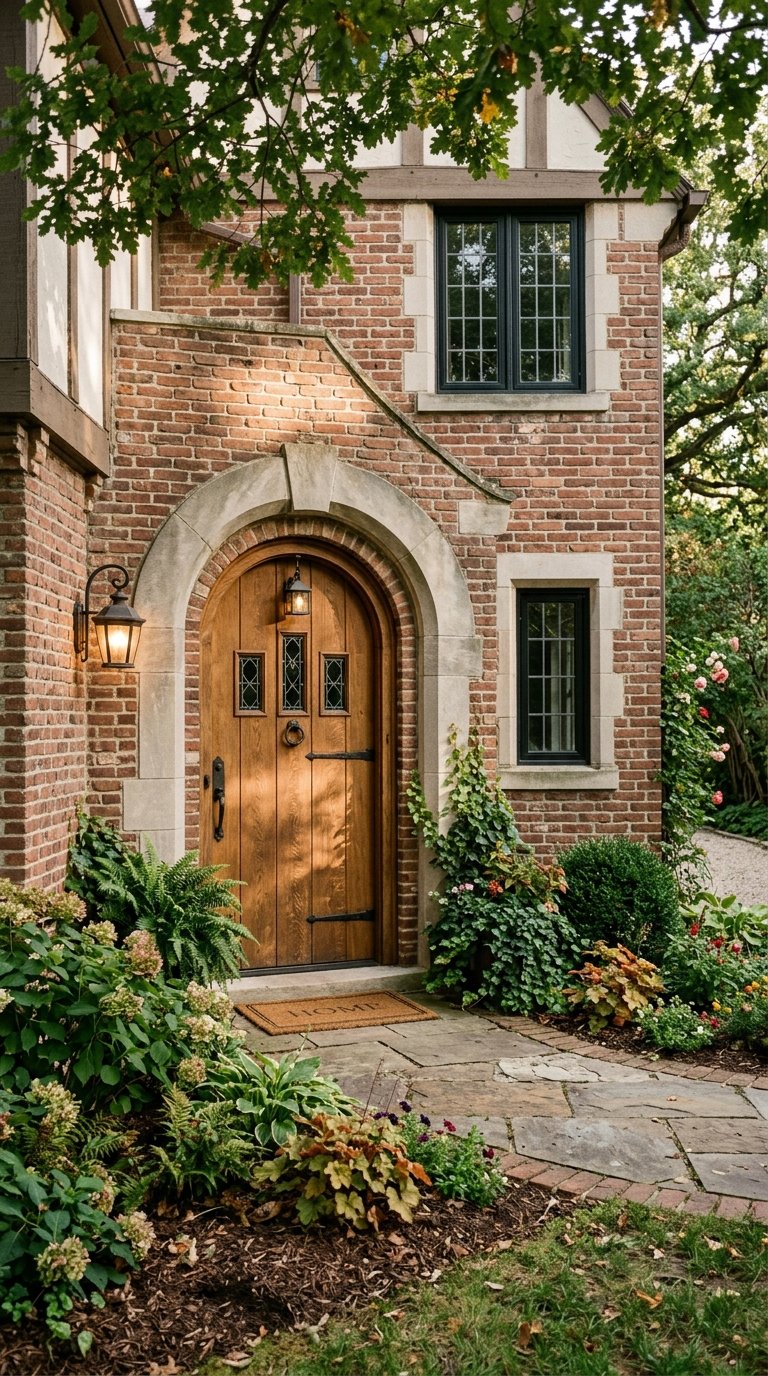
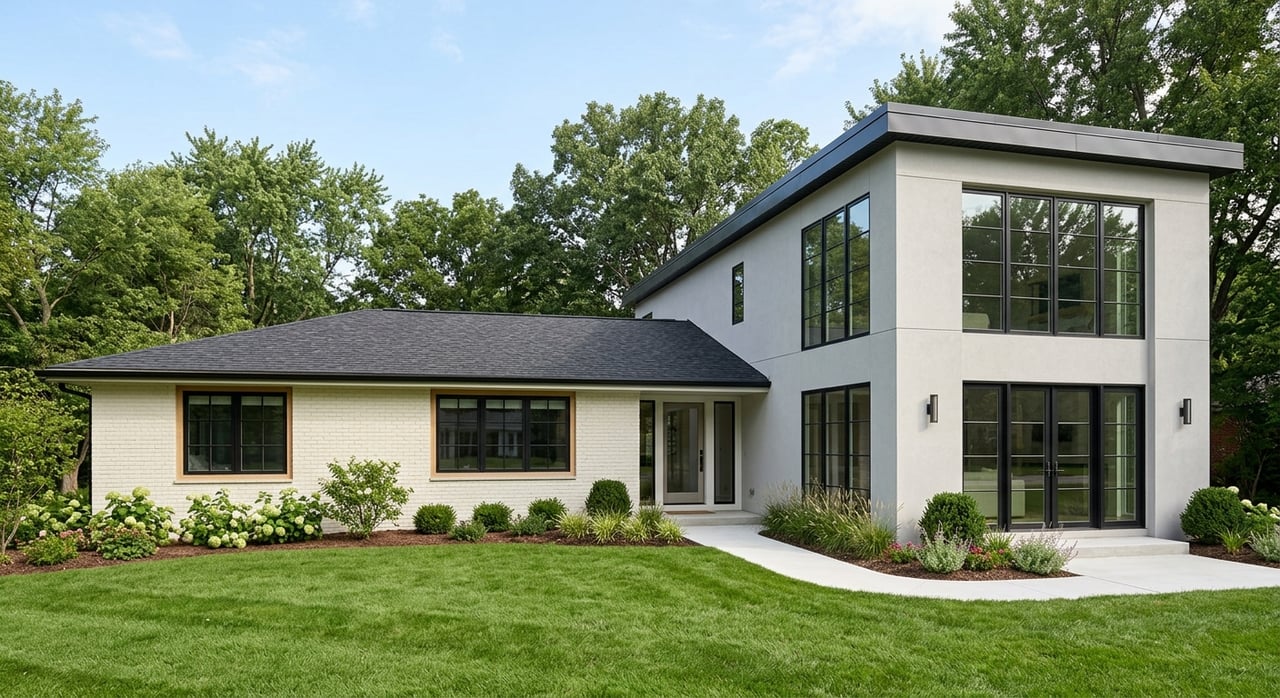
Preservation Park Cities notes styles ranging from Prairie and Tudor to Ranch and Mid-Century Contemporary. You will also see a mix of original homes, renovated properties, and rebuilds, sometimes on the same street.
That variety can be a major plus if you want options. It also means you should look closely at each property beyond surface-level design, especially if you care about expansion potential, lot use, or future renovation plans.
In many neighborhoods, buyers focus first on price and square footage. In the Park Cities, lot size and zoning context can be just as important.
In Highland Park, detached single-family minimum lot areas range from 25,000 square feet in one district down to 6,500 square feet in others, with different minimum widths and depths depending on zoning. In University Park, lot-coverage standards group single-family lots into size bands ranging from 0 to 6,000 square feet up to 35,001 square feet or more.
The practical takeaway is simple: two homes with similar list prices may offer very different flexibility. A property’s parcel size, setbacks, and rebuild potential can vary sharply from one block to the next.
Buyers should go in with realistic expectations about pricing. As of April 2026, Redfin reported a median sale price of about $2.15 million in Highland Park and about $2.39 million in University Park.
Both markets were described as very competitive, with homes averaging about 24 to 25 days on market. That means well-positioned homes can move quickly, especially if they check the right boxes for location, lot, and condition.
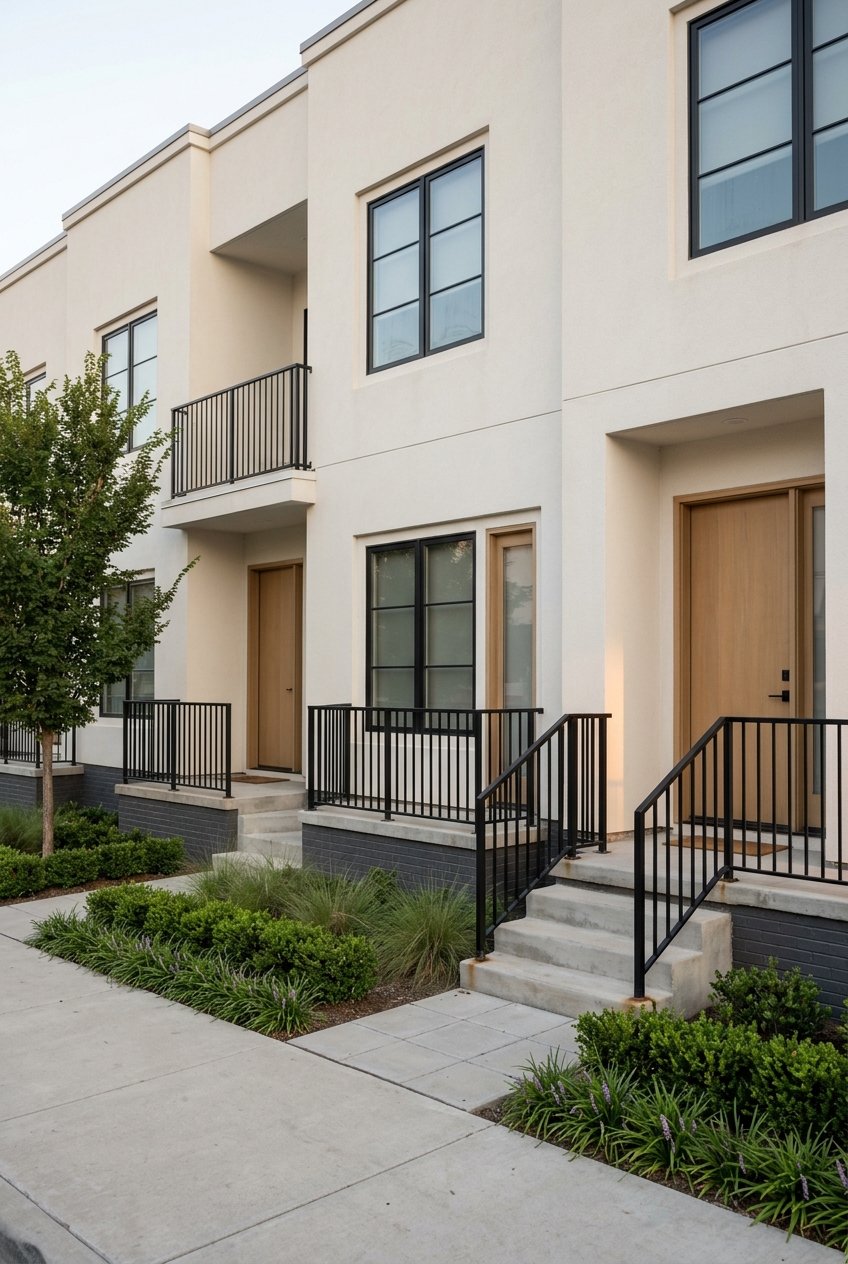
Recent sales also show the price range can be wide. Highland Park included a condo or townhome sale around $1.299 million and an estate sale at $9.75 million, while University Park included a $455,000 condo and several detached home sales between $3.2 million and $5.65 million.
Your purchase budget should include more than the down payment and monthly mortgage. In the Park Cities, city tax rates are only one piece of the full carrying-cost picture.
Highland Park’s city property tax rate is $0.199296 per $100 of assessed value, and the town includes optional homestead relief. University Park’s 2024 city rate was $0.229964 per $100, and the city notes that its levy is only about 14 percent of the total property tax bill, with HPISD representing about 53 percent.
That is an important planning point if you are relocating from another market. You will want to evaluate the full tax picture early so your target price range stays comfortable over time.
If you are buying with plans to renovate, expand, or build new, do your homework before you close. This is one of the most important parts of buying in the Park Cities, especially for homes where the lot may be just as valuable as the structure.
University Park requires a single platted lot before a building permit can be issued for new single-family construction. If lots are being combined or split, a plat amendment or replat may be needed.
University Park also has Planning and Zoning Commission review for certain replat requests involving four or more lots. In addition, construction is barred on Sundays and certain holidays.
Highland Park also requires permits and expects contractors to be state-licensed and town-registered. The town limits construction to Monday through Saturday from 7 a.m. to 6 p.m., and zoning changes or variances move through town processes that include neighbor notification.
For buyers, this means the right home is not just about finishes or curb appeal. It is also about understanding lot status, permit complexity, and realistic timelines if you want to make changes later.
A smart Park Cities search usually starts with a few clear questions. Are you looking for architectural character, newer construction, larger lot potential, lower-maintenance living, or a long-term renovation opportunity?
Once you know your priorities, it becomes easier to compare Highland Park and University Park at a more practical level. In this market, the best choice is often the property that fits both your current lifestyle and your future plans.
It also helps to go deeper than listing photos. A home may look ideal online, but the real decision often comes down to block-by-block location, lot characteristics, tax exposure, and whether your long-term plans match local requirements.
Before you move forward, keep these items on your list:
Buying in the Park Cities can be incredibly rewarding, but it is rarely a market where you want to make assumptions. The more clearly you understand the property, the lot, and the city rules, the more confident your decision will feel.
If you are planning a move to the Park Cities, working with a neighborhood-focused advisor can help you compare not just homes, but the tradeoffs behind them. For tailored guidance on Highland Park, University Park, and other North Dallas neighborhoods, connect with Jason Landry.
Stay up to date on the latest real estate trends.
Get assistance in determining current property value, crafting a competitive offer, writing and negotiating a contract, and much more. Contact Jason today.