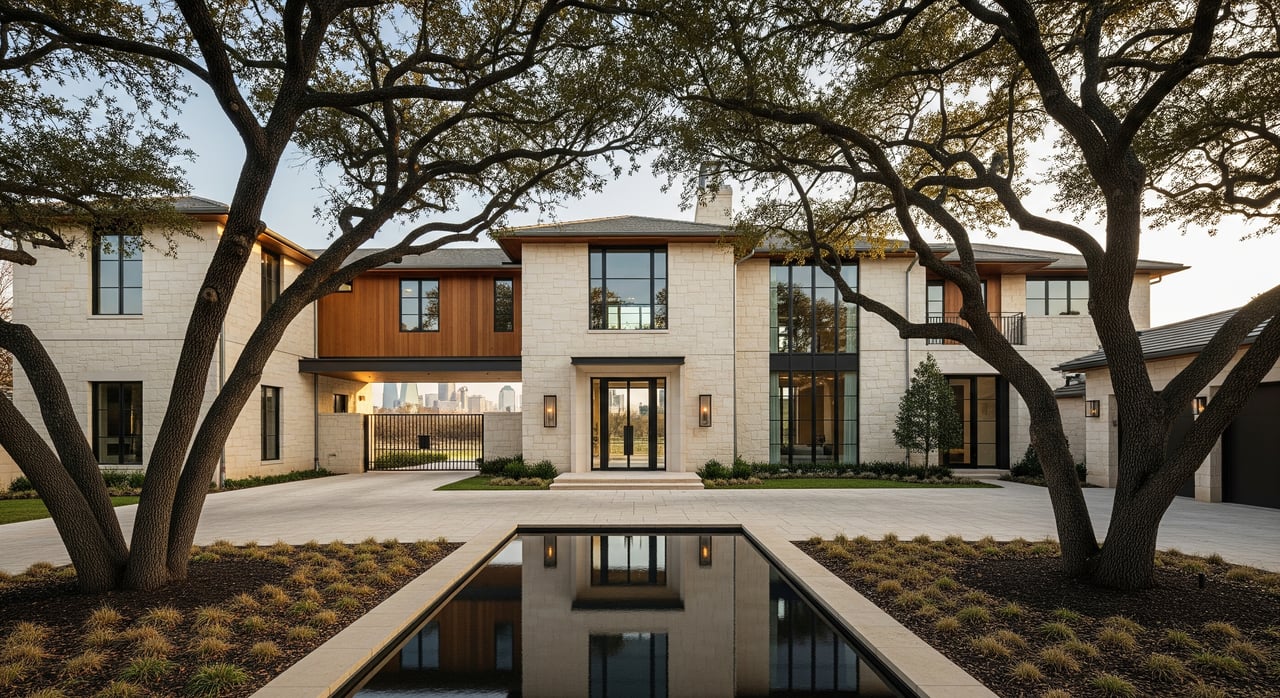
How To Price A Luxury Home In Dallas
January 15, 2026
January 15, 2026
Pricing a luxury home in Dallas is both art and science. List too high and you risk losing your best buyers in the first few weeks. List too low and you leave money on the table. If you are preparing to sell in neighborhoods like the Park Cities, Preston Hollow, Lakewood, or Uptown, you deserve a price that attracts serious buyers and supports your goals. In this guide, you will learn how to set a market-supported price using micro-comparative analysis, absorption rates, smart launch timing, and a clear strategy. Let’s dive in.
Dallas and the broader Dallas-Plano-Irving area benefit from strong corporate employment, steady inbound relocation, and a relatively low state tax burden. These factors support consistent demand for high-end homes and luxury rentals. Buyer pools include local wealth, corporate transferees, out-of-state buyers, and international clients.
High-end buyers often learn about listings through broker networks and private marketing channels. Broker tours, relocation programs, concierge networks, and invitation-only events frequently drive early interest. This is why pricing and presentation at launch matter so much in Dallas luxury neighborhoods.
Dallas luxury is not one market. Pricing in the Park Cities can look very different from Preston Hollow, Turtle Creek, or Bluffview. Nearby suburbs with high-end pockets, such as Southlake, Westlake, and select areas of Plano, also influence buyer options.
Product type matters. Estate lots, new custom builds, architecturally significant homes, and trophy condos each trade on different value drivers. An acre estate behaves differently than an amenity-rich urban condominium. Your price should align with the micro-market that best matches your property.
A micro-comparative analysis is a focused valuation study that anchors your list price to the most relevant local evidence. It is the backbone of a defensible luxury price.
Quantify differences so your price reflects reality, not wishful thinking. Key adjustment categories include:
Create a comps packet with a clear table of sold price, days on market, sale date, and adjustments by category. Include photos of your home alongside the top three comps and a simple map that highlights your immediate competitive set. If your property is highly unique or you plan to list well above typical ranges, consider commissioning an independent appraisal to strengthen your position.
Numbers help you know when to hold firm and when to pivot. Focus on metrics that reflect your specific luxury segment.
Absorption rate measures how quickly homes in your price band sell relative to active inventory. Months of inventory helps you understand whether conditions favor sellers or buyers. Luxury segments often turn slower than the general market, so treat broad thresholds as directional. Always calculate these metrics for your luxury price band rather than the entire market.
Pay attention to days on market for your micro-market. A sharp increase relative to comparable properties can signal overpricing. Track showings and conversion from showings to offers. If you see low showings or no offers within the first 14 to 21 days, reassess your price or presentation.
Price per square foot is useful as a sanity check, but it cannot capture differences in lot quality, finishes, or unique amenities. It should be one input among many. Review the neighborhood price distribution to see where your home sits within local bands.
Your strategy should balance evidence and opportunity. The goal is to maximize interest without sacrificing credibility.
This approach uses adjusted micro-comps and current absorption to set a number that reflects what qualified buyers will pay today. Pros include faster attention, stronger negotiation leverage, and less risk of a stale listing. The tradeoff is that in a fast-rising market you might miss a small upside.
Here, you price at the top or just above the comp range to target aspirational buyers. This can work when your property has truly unique, verifiable features and your timeline allows testing. The risk is higher days on market and price cuts that can signal weakness.
Price strategically within a psychological band, such as just under a round number, to widen your audience and drive showings. This can be effective in certain ranges but is less likely to create bidding wars in luxury, where buyer pools are smaller and more selective.
While spring often brings more activity, luxury buyers in Dallas are active year-round. Consider the local event calendar and school cycles when planning your launch. Recent comparable sales can also help your price case if they closed nearby and align with your home.
Coordinate marketing and presentation before you go live. Secure premium photography, drone imagery, twilight exteriors, floorplans, and 3D tours. Plan for broker previews or curated events so top agents and relocation channels see your home first. The first 10 to 21 days after launch are critical, so lead with your best presentation.
A measured pre-market strategy can help you gauge interest while protecting privacy. Broker previews and targeted outreach to top luxury brokers and relocation networks can build early momentum. In some cases, a coming soon period or pocket listing may make sense. Always follow local MLS policy and disclosure requirements.
Private invitation-only showings can be effective for trophy properties or when you value discretion. These approaches work best when paired with a clear pricing rationale.
Expect a smaller pool of buyers but deeper due diligence. Premium buyers may request extended inspection periods, confirm staff or service contracts, or ask for furnishings. Weigh net proceeds and timing alongside the reputational impact of multiple price reductions. A clear strategy and consistent communication will help you navigate offers effectively.
Gather key information and align on goals before your pricing discussion. This gives you clarity and speeds up your timeline.
What you should expect from your agent:
Strong visuals support your price and make your home easier to evaluate. Consider these assets as part of your launch:
You deserve a boutique, data-informed approach that respects your time and privacy. Jason Landry pairs neighborhood-first expertise across North Dallas with a valuation process that is transparent and defensible. Expect a focused comp set, clear adjustments, and price band metrics that match your micro-market.
Your listing will benefit from premium presentation, targeted broker outreach, and access to pocket and exclusive channels when discretion is important. If you are relocating or managing a complex timeline, you will have coordinated support from prep to closing. If you want to see where your home might land today, connect for a custom micro-comp packet and pricing scenario review.
Ready to talk strategy or get a quick read on value? Connect with Jason Landry to get your instant home valuation and a plan built for the Dallas luxury market.
Stay up to date on the latest real estate trends.





Get assistance in determining current property value, crafting a competitive offer, writing and negotiating a contract, and much more. Contact Jason today.