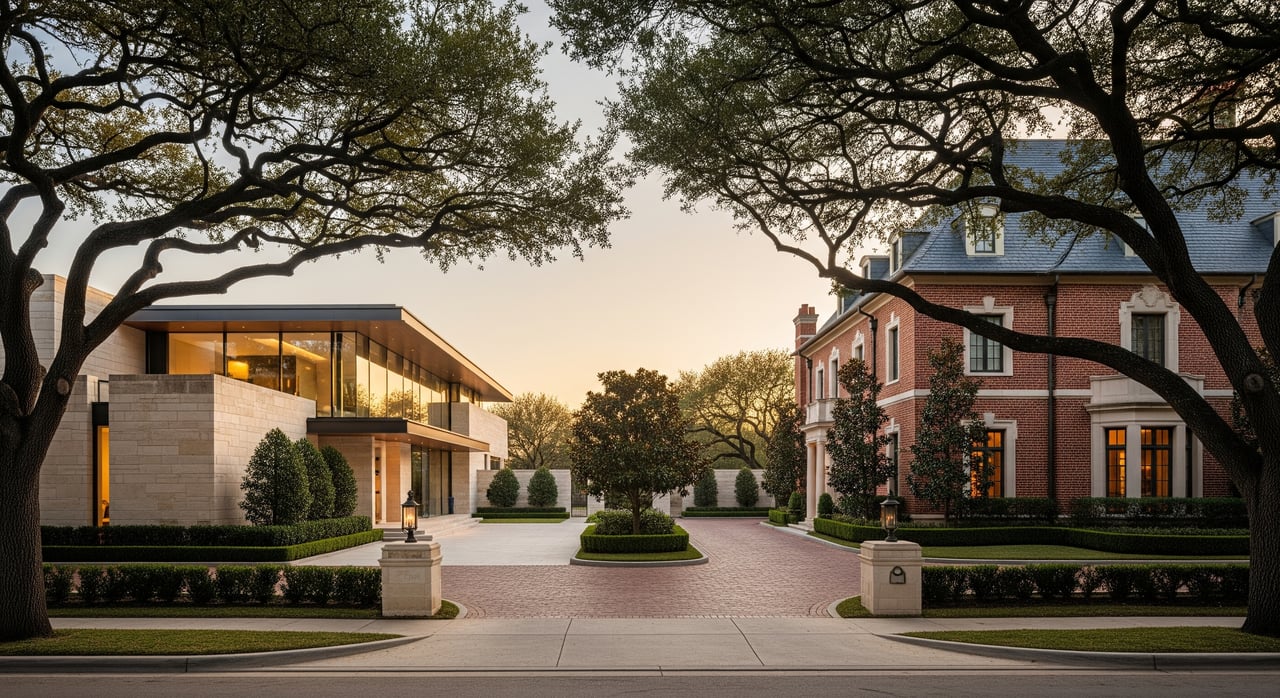
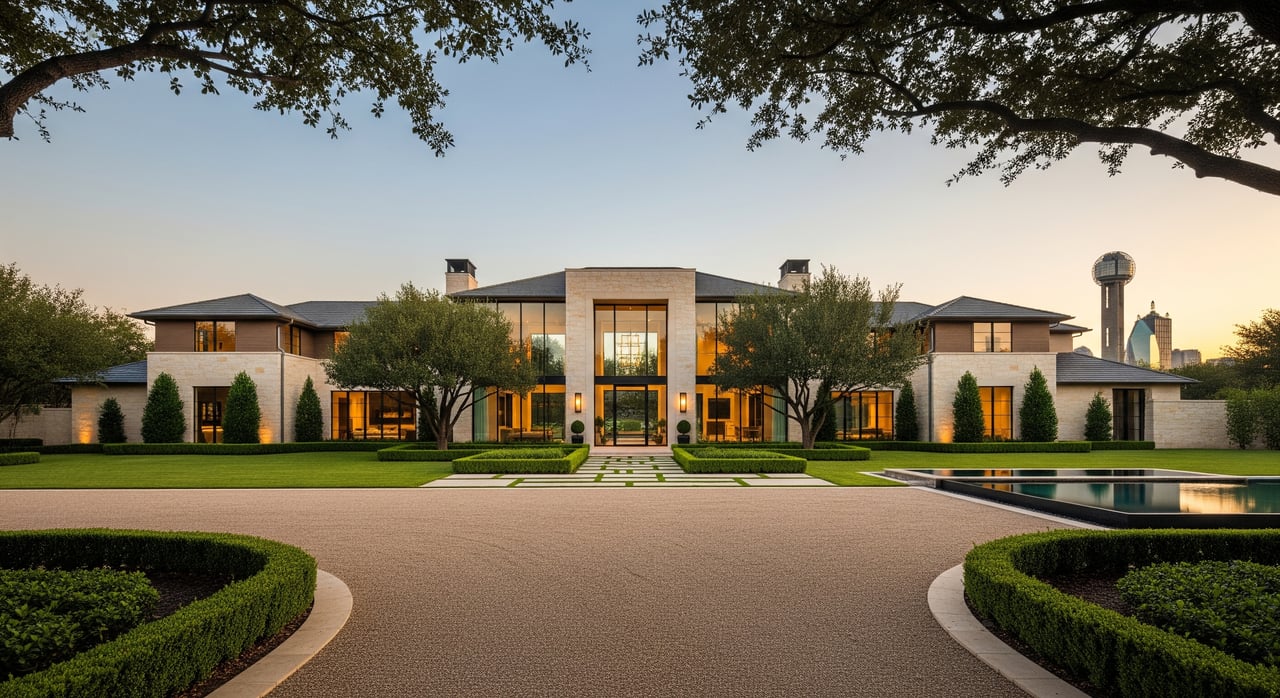
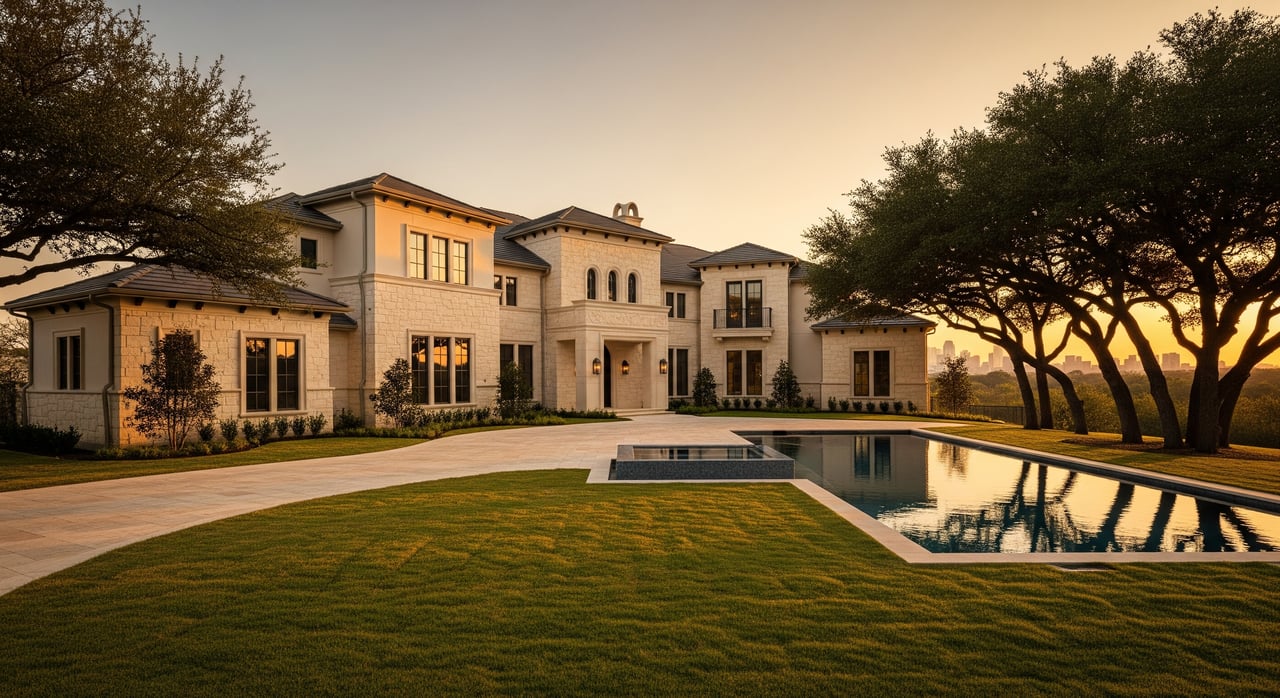
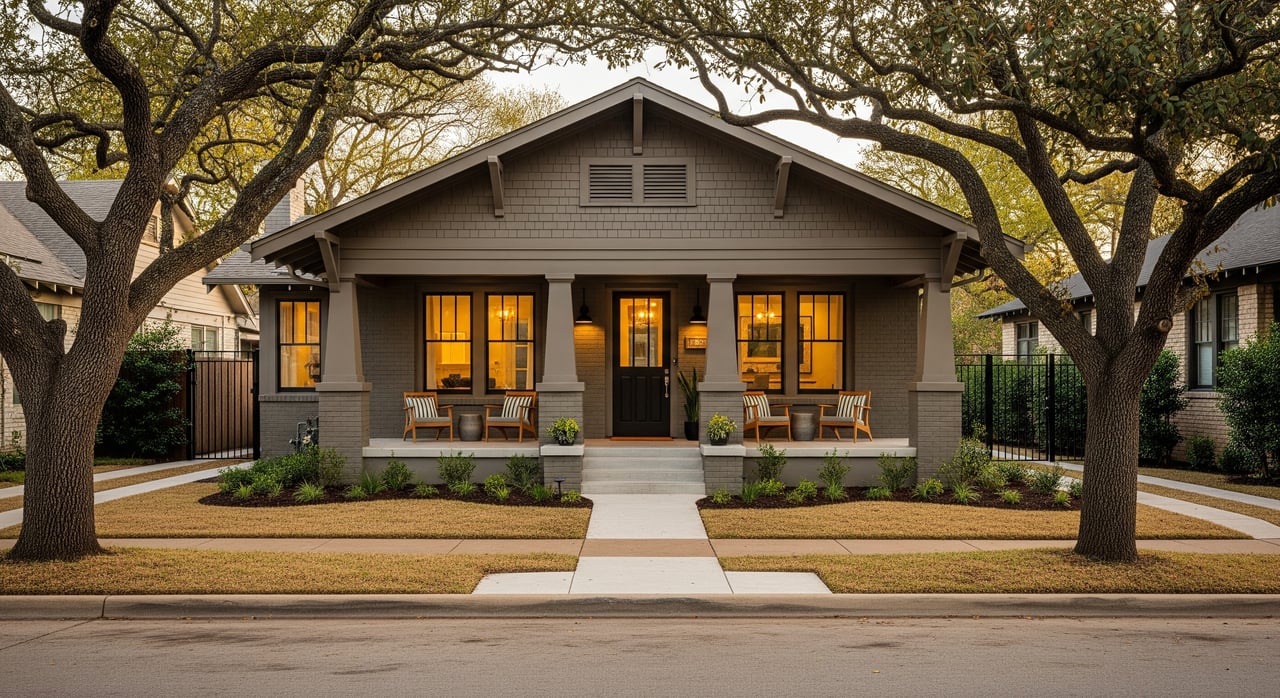
Planning a remodel in Dallas? Before you break ground, make sure you understand how Dallas’s tree regulations could shape your design, budget, and timeline. Mature canopy is a signature part of many Dallas lots, and the city’s rules are designed to protect it. In this guide, you’ll learn when permits are typically required, how mitigation works, and the smart steps to keep your project on track. Let’s dive in.
Article X basics in Dallas
Dallas regulates tree preservation through the city’s tree ordinance commonly known as Article X. The goal is to preserve, protect, and replace trees, especially large native canopy trees, during development and construction. This matters for you because many remodels in Dallas involve land-disturbing activity that can affect tree roots or require removals.
These rules typically apply to owners, designers, contractors, and anyone seeking demolition or building permits. You will often need a tree survey and a preservation plan as part of your permit package. Violations can lead to stop-work orders, fines, and required restoration, which can delay projects and closings.
When a tree permit is likely required
Common triggers to watch
- Removing a tree that meets the city’s protected-tree definition, which is usually based on trunk diameter at breast height, species, or special designations like heritage trees.
- Any land-disturbing activity that impacts a tree’s critical root zone, including new foundations, additions, driveways, grading, or utility trenching.
- Clearing vegetation for new construction on previously treed lots.
Typical exemptions
- Immediate public safety hazards such as dead or structurally failing trees are often exempt, but the city may require documentation or post-removal notification.
- Minor pruning or removal of very small, non-protected saplings is usually exempt. Always verify before you act.
What your application usually includes
- A tree survey that maps locations, species, and trunk diameters of trees that meet protection criteria, plus a condition assessment.
- A preservation and protection plan that shows proposed removals, fencing and no-disturb zones, and a mitigation plan.
- An arborist report if requested, along with permit fees and a mitigation calculation.
Timeline expectations
- Initial reviews can take days to several weeks depending on workload and complexity.
- Revisions may be required, adding time to each review cycle.
- If planting is part of mitigation, seasonal windows can affect when trees can go in the ground.
Mitigation options and how they affect projects
If you remove a protected tree or disturb a critical root zone, the city usually requires mitigation. Common pathways include:
On-site replacement planting
You plant new trees on your property according to species, size, and spacing rules. This helps restore canopy over time and can support curb appeal. It also requires planning for irrigation, soil health, and maintenance.
Off-site planting or credits
If your site cannot accommodate enough new trees, the city may allow planting at approved off-site locations. This keeps your project moving while supporting the broader urban forest.
Payment-in-lieu
You pay a fee to a city tree fund when on-site or off-site planting is not feasible. This can streamline schedules, though it may be more expensive than planting depending on your plan.
Preservation credits
In some cases, retaining certain trees can reduce your overall mitigation requirement. Designing around significant canopy early often saves both time and money.
Budget and schedule implications
- Cost drivers include arborist services, permit fees, purchase and installation of mitigation trees, soil amendments, irrigation setup, and any maintenance bonding or escrow that may be required.
- Planting is seasonal in North Texas. Fall and early spring are often preferred for establishment, so that can affect your sequence.
- New trees take years to build shade and character. If you are planning to sell soon after renovating, remember that mitigation planting will not replace the feel of a mature oak right away.
Plan around mature canopy from day one
Start early with an arborist
Hire an ISA-certified arborist before design. A tree inventory and critical root zone mapping will tell you what is feasible and where you have flexibility. An early assessment can improve your layout and reduce later redesigns.
Design and construction moves that help
- Consider foundations that reduce excavation near roots, such as pier-and-beam or other reduced-footprint systems when feasible.
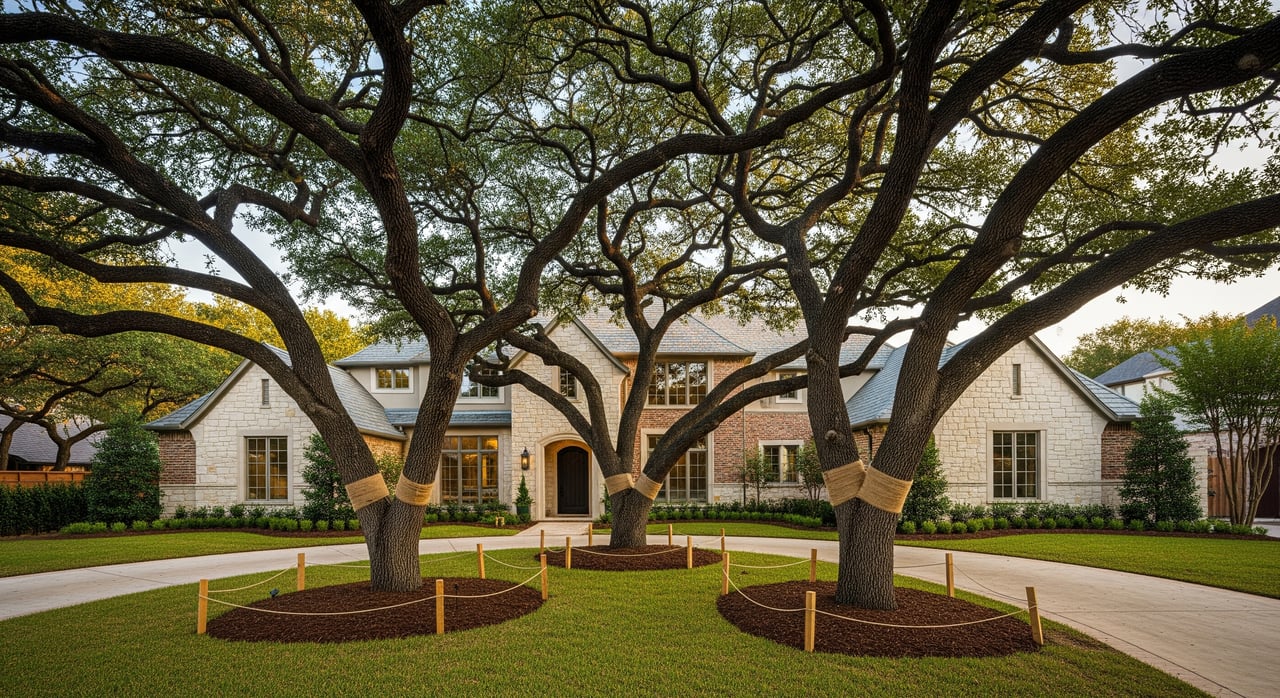
- Minimize grading and heavy equipment access around trees. Specify protective fencing and ground protection in your bid documents.
- Use trenchless utility methods or route lines around major roots.
- Choose tree-friendly hardscapes, including permeable pavers or floating slab edges that minimize root cutting.
- Ask your arborist whether selective pruning can create needed clearance instead of removal.
Landscaping and long-term care
- Select native or adapted species for replacements that can thrive in Dallas conditions.
- Plan irrigation, mulching, and a multi-year maintenance schedule so replacement trees establish and grow.
- Keep records. A simple care log or arborist report can reassure future buyers that the landscape has been professionally managed.
Contractor coordination
- Put tree protection into your construction contract, not just your drawings. Require pre-construction briefings for your crews.
- Use an on-site arborist or set inspection checkpoints if multiple protected trees are at risk.
- Check any HOA or neighborhood conservation overlays. Some NW Dallas areas may have added requirements.
What sellers and renovators should weigh
- Preserving curb appeal: Mature canopy often boosts a home’s desirability. Even with mitigation, removing a large canopy tree can change how buyers perceive the property.
- Documentation supports value: Keep your tree survey, arborist evaluations, and permits. These records help buyers understand what has been done and what is required next.
- Disclosures matter: If you have mitigation obligations or pending restoration, disclose that information according to local practices and state requirements.
- Budget clarity: Make sure bids and contracts clearly state who pays for mitigation trees or in-lieu fees. Surprises later can jeopardize timelines and deals.
- Timeline realism: Build permit reviews and planting windows into your schedule, especially for large additions or reworks on canopy-rich lots.
Step-by-step checklist for Dallas remodels
- Before design: order a tree inventory and arborist report.
- Verify current permit triggers under the City of Dallas Article X and consult city staff if needed.
- Integrate tree preservation into the site plan and consider alternative foundations or utility routes.
- Submit a complete tree protection package with your building or demolition permits.
- Budget for mitigation, seasonal planting, and potential review revisions.
- Document all permitted work and preservation steps for future owners or buyers.
Enforcement, appeals, and discretion
If a protected tree is removed or damaged without approval, the city can issue fines, stop-work orders, and require restoration. These actions can create significant delays and costs.
If you face a hardship, you may be able to seek a variance or administrative relief through the city’s procedures. Permit decisions can sometimes be appealed through designated boards or administrative channels. Keep in mind that any appeal adds time and planning complexity, so be proactive about design choices that preserve canopy.
Local resources to consult
- City of Dallas Code of Ordinances Article X for definitions, thresholds, and mitigation formulas.
- City of Dallas Development Services for tree permit procedures, forms, and fee schedules.
- The city’s Urban Forestry Division or Parks and Forestry for street tree or public right-of-way issues.
- A certified arborist for inventories, root zone mapping, and protection strategies.
- A landscape architect or civil engineer to integrate preservation into site design.
- A real estate attorney or your title company for disclosure and closing implications if mitigation is outstanding.
Protecting trees in Northwest Dallas is not just about compliance. It is also about preserving the character and livability that make these neighborhoods stand out. With early planning and the right team, you can remodel confidently while maintaining the canopy that buyers value.
Ready to talk through your plan, timeline, and market strategy around a remodel or sale in NW Dallas? Connect with Jason Landry for discreet, consultative guidance and to get started. Get your instant home valuation today.
FAQs
How do I know if a tree is protected in Dallas?
- Check the City of Dallas Article X definitions and have a certified arborist measure and identify your trees to confirm protection status.
Can I remove a dead or hazardous tree right away?
- Many ordinances allow emergency removal, but you should document the condition and follow any city notification or post-removal requirements.
How long do tree permits take in Dallas?
- Timelines vary; plan for several weeks and allow for potential revisions or seasonal planting windows if mitigation is required.
What happens if I remove a protected tree without a permit?
- You can face fines, stop-work orders, and mandatory mitigation that can delay construction or closings.
Will I have to plant the same species I remove?
- Replacement species are usually guided by city standards that favor native or adapted trees and require specific sizes and spacing; alternatives like payment-in-lieu may be available.
How long until replacement trees provide shade like a mature canopy?
- Expect years to decades for new trees to approximate the benefits of a mature tree, which is why preservation is often the best strategy.